

The vast majority of invertebrates serve vitally important roles in our environment. They control pests, pollinate flowering plants, decompose waste, and provide food for other wildlife. Only a very small number of invertebrates can cause issues in farms and gardens, and get called “pests”. Yet, the pesticides frequently used to control unwanted plants and animals rarely distinguish between helpful invertebrates and those which cause issues.
“Pesticides” is an umbrella term that includes — but is not limited to — insecticides, herbicides, and fungicides, all of which can damage or kill pollinators. Pesticides often cause unintended consequences and disrupt the natural systems that sustain us.
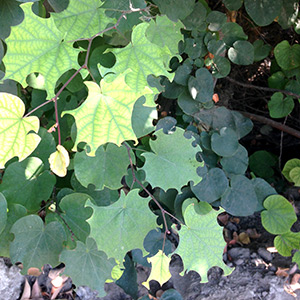
Accept some nibbled leaves in your pollinator habitat
Plants are resilient, and can handle some munching from bugs! Especially if they are native plants living in the right conditions. Cosmetic damage means your plants are doing their job of providing food and resources for pollinators!
Follow our advice on how to tell whether chewed leaves, galls, and other marks are actually an issue or not.
Prevent pests before they arrive
Make sure your plants are getting the care they need, and eliminate conditions that favor pests. This will create healthy plants that are more resilient to any issues that might come up.
Learn useful pesticide-free prevention strategies.
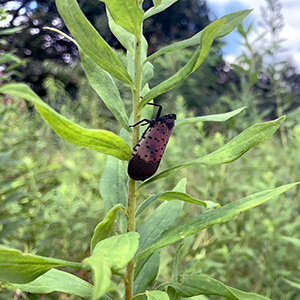
Manage issues with gentler methods
Confirm that any “pest” is actually a problem, and use safer management strategies when intervention is needed. This could include hand-picking pests, cutting and removing parts of infected plants, mulching weeds, or using ergonomic weeding tools.
Check out our tips on managing pests while protecting pollinators.
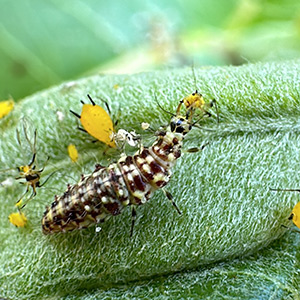
Attract natural pest predators
Add plant diversity to create habitat for natural enemies like lady beetles, syrphid flies, and other predators and parasitoids that will help keep pests in check. Luckily, the same plants that benefit pollinators are also used by natural enemies!
Get started with our guide to planting for helpful predators.
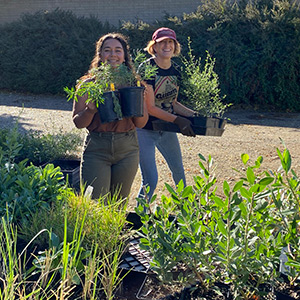
Buy pollinator-safe plants
Many nursery plants are grown with harmful and long-lived pesticides, in part due to consumer demand for aesthetically appealing plants. Ask your nursery for organic plants, avoid plants treated with long-lived pesticides, and ask your nursery about their growing practices.
Before you go shopping, go over our advice on buying bee-safe plants.
Share our guide on growing and offering bee-safe plants with your local plant nursery.
Manage mosquitoes ecologically
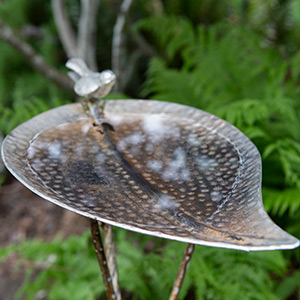
Don’t hire companies to spray for mosquitoes and other nuisance pests in your yard. Studies suggest that insecticide residue from these sprays can kill bees, butterflies, and fireflies – not just mosquitoes. Instead, remove standing water around your property and use personal protection.
Learn more about mosquito management at home.