

Plants form the foundation of good habitat for most insects, including pollinators. Flowering native plants provide the nectar and pollen that pollinators eat, the vegetation that butterfly caterpillars feed on, and nesting resources for many bees. Growing the right flowers, shrubs, and trees is the foundation of your pollinator habitat.
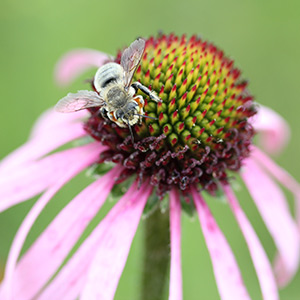
Use plants native to your region
Numerous studies have shown that native plants support more pollinators — both more species and greater numbers of bugs — and other invertebrates than non-native plants.
Use our Pollinator-Friendly Native Plant Lists to find the right ones for you.
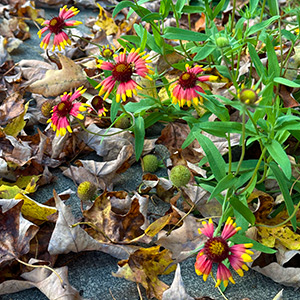
Pick a diversity of plants and bloom times
Build a mix of plants that will keep flowering from spring into fall. Different pollinator species emerge at different times of year, and good pollinator habitat will provide food for them all season long. Spring flowering plants are particularly important for emerging bumble bee queens, and late summer flowering plants provide resources for newly hatched queens who are about to overwinter.
You can find bloom times right in our Native Plant Lists.
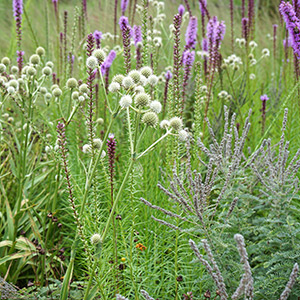
“Right plant, right place”
Make sure you select plants that will grow well at your site. Consider sun exposure, wind, water availability, and soil type. If you are using a planter, you can choose a potting soil that matches the plants you’d like to grow, or use sand, perlite, pebbles, and other mix-ins to adjust the soil you already have.
Contact your local extension agency for more information on how to understand your soil.
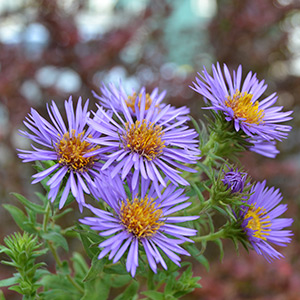
Avoid cultivated, ornamental plants in your pollinator habitat
Double-flowered hybrids or other ornate varieties often produce little or no pollen or nectar. Also, many pollinators use visual cues to identify flowers; those identifying patterns can be lost if plants are bred with a different color.
Get the facts on why cultivars are worse for pollinators.