

Pollinators need more than just pollen and nectar to eat. To thrive, they need places to take shelter and raise their offspring! North America’s native bees build their nests in the soil, dead wood, hollow plant stems, or cavities in trees and rock walls. Butterflies and moths lay their eggs on plants and trees called “host plants,” which provide food and shelter to their caterpillars. Some butterflies and moths lay eggs on a variety of plant species, but others specialize on just a few, or even just one plant.
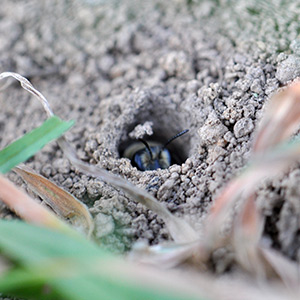
Leave bare soil
Ground-nesting bees — the majority of the 3,600 species in the US — need access to bare earth. Thick layers of mulch, lawns, and paved surfaces often found in towns and cities reduce nesting habitat for these bees. Consider mulching with compost instead of wood bark mulch — it has many of the same aesthetic, weed suppression, and water retention properties as mulch, yet allows for nesting and improves your soil!
Learn how to add patches of bare ground to your pollinator habitat.
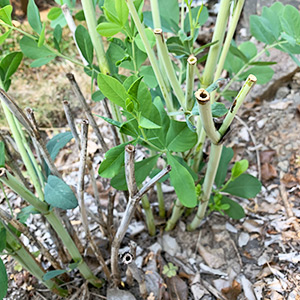
Save the stems
Leave the stems of perennial plants alone over fall and winter, then cut them knee high once spring has warmed up. Plants with pithy stems, such as raspberries, provide excellent habitat for small carpenter and other cavity-nesting bees.
Learn more in our detailed guide to nesting habitat.
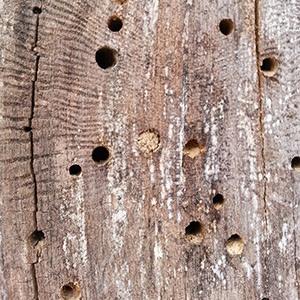
Build a brush pile and keep dead trees
Allow dead trees to remain in your landscape, and add fallen branches or logs to your habitat areas. Some pollinators will nest inside the wood itself, while others love to burrow underneath.
Follow our tips and examples for using fallen wood for habitat.
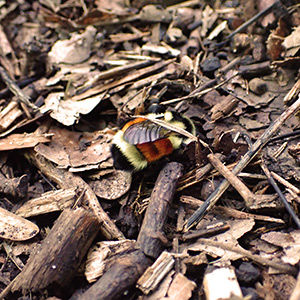
Leave the leaves
A layer of leaves is vital insulation from the cold for many pollinators and other beneficial insects. Leave the leaves where they fall, or rake them around shrubs or to a corner of the yard. You will experience a more diverse wildlife community come spring!
Get started with our guide on leaving the leaves.