
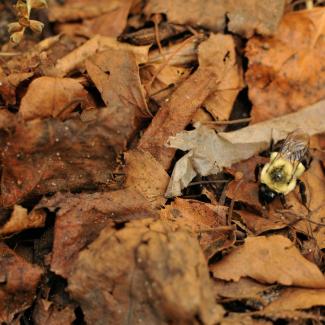
Leave the Leaves or Lose the Insects
34 MinutesGuests: Max Ferlauto
**Correction: The study described in this episode states that the total number of insects emerging from a square meter was 18,000. The correct number is 1,800.
Leave the leaves has become something of a rallying cry and discussion topic in recent years. When the weather starts to cool and leaves begin to fall, we’re presented with a valuable wildlife and gardening resource — but also something of a headache. Do I keep them all? Can I mulch them? Won’t they kill my lawn? What about pests? How do I keep my HOA happy?
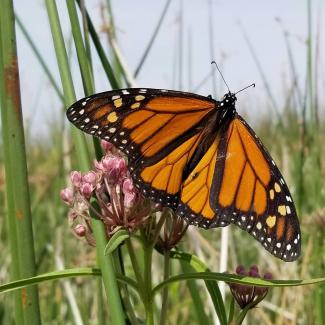
Monarchs & Pesticides: Understanding the Impact, Exploring the Solutions
44 MinutesGuests: Emily May
In this episode, we will be taking a closer look at the monarch butterfly, but we won’t be talking about milkweed or nectar plants, or the migration and overwintering sites – at least, not directly. No, our focus is on pesticides and monarchs. Are pesticides a particular concern for monarch butterflies? What are the consequences of pesticide contamination to their habitat? What can we do to provide pesticide-free habitat?
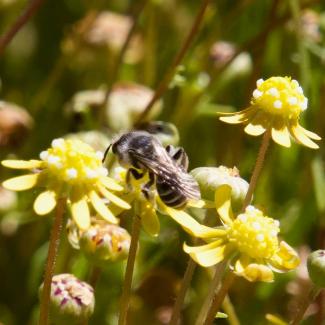
Understanding Native Bee Populations: The State of the Bees Initiative
40 MinutesGuests: Saff Killingsworth
How are native bee species in the US doing in light of the major threats they are facing? What more do we need to know to protect them? There are over 3,600 species of native bees in the United States, but we only know the conservation status (i.e., how well they are doing) of about 20% of them. This makes it difficult to make decisions about how to prioritize bee conservation. In this episode we discuss the State of the Bees initiative: a project to better understand native bee populations in the US.
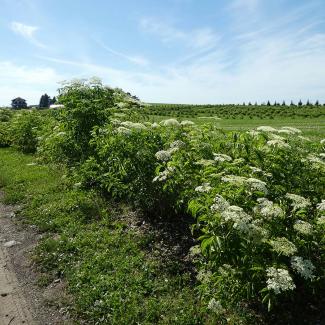
The Living Fence: Hedgerows as Havens for Insects
32 MinutesGuests: Jessa Kay Cruz
Co-host Matthew Shepherd came from Britain, a country known for its hedgerows. He grew up surrounded by hedges, sometimes many centuries old, crisscrossing the countryside. Early in Matthew's career he helped plant, maintain, and restore miles of hedgerows and got to see up close the wealth of wildlife that live in them. When he moved to America, he was struck by the lack of hedgerows, their place in the landscape frequently filled by barbed wire or other types of fencing. He is very happy to know that this is changing and that there is a movement in this country toward planting hedgerows for their beauty, wildlife value, and economic benefits.
State of the Butterflies in the United States: A Roadmap for Recovery
48 MinutesGuests: Cheryl Shultz, Scott Black
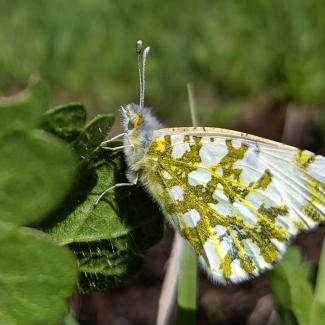
You may already know that butterflies are in decline, but the speed at which it is happening may be surprising. Butterflies are being lost at a rate of 1.3% per year, which means more than one-fifth have disappeared over a 20-year period. These are just a couple of the alarming statistics that emerged from the work of the State of the Butterflies in the United States working group. The group was comprised of scientists from universities, agencies, and the Xerces Society. Their findings have been published in academic journals, including Science. Building on this, Xerces has just released State of the Butterflies in the United States, a report authored by members of the working group that presents a picture of the status of butterflies and offers a vision for how we can reverse the declines.
Bug Banter Live: Building Pollinator Habitat
55 MinutesGuests: Bernardo Niño, Steve Armstead, Emily May, Kevin Burls
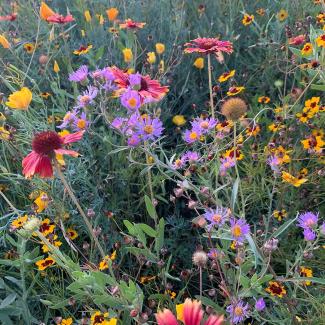
One of the most effective ways to contribute to pollinator conservation is to provide the essential components of pollinator habitat. To celebrate Pollinator Week, we invited a panel of Xerces Society experts to help us answer audience questions in this special Bug Banter Live episode.
Pollinator Check-Up: Bee Health and Novel Monitoring Tools
42 MinutesGuests: Dr. Laura Figueroa
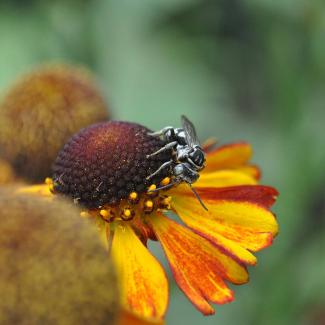
In the face of insect decline, it is critical for us to understand pollinator health both in terms of influencing factors and how to monitor those impacts. Today we are specifically focusing on bees.
How Habitat Kits Are Helping Save Pollinators
35 MinutesGuests: Giovanni Di Franco
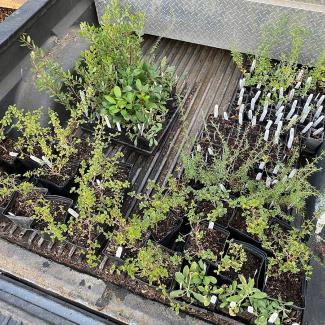
Creating habitats with native plants is one of the most impactful ways to help invertebrates. One of the programs at Xerces is helping people do just that by providing free habitat kits to communities in several regions of the US.
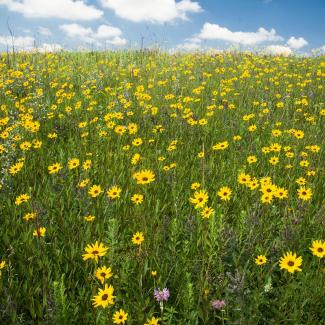
Stories from the Prairie: Life in a Resilient Ecosystem
47 MinutesGuests: Chris Helzer
Prairies are an ecosystem that historically spanned the center of this continent from the Rocky Mountains to east of the Mississippi and from Texas north to Saskatchewan. Although less than 5% of that prairie remains today, it is critical habitat for a number of invertebrates. Prairies are incredibly diverse and hold many exciting stories.
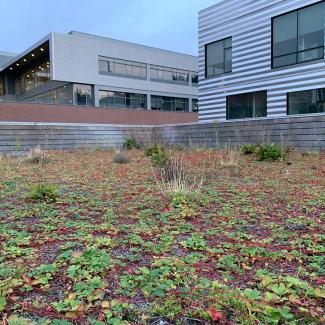
Greenroofs, Solar Arrays, and Urban Farms: Insect Conservation in Human-Dominated Ecosystems
47 MinutesGuests: Dr. Chelse Prather
Most of the natural world has been altered by humans in some way. Ecosystems that are dominated by humans or man-made structures, such as cities, can still provide meaningful and essential habitat for insects. Today, we are going to discuss research being done in various human-dominated landscapes to answer the question: how do we restore and conserve insects in these ecosystems?