
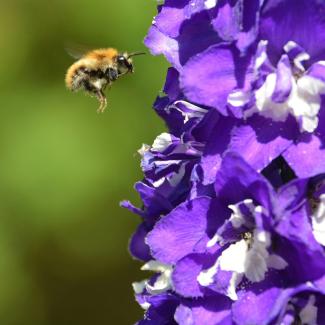
All About Bees: Celebrating Pollinator Week
59 MinutesGuests: Kass Urban-Mead, Rich Hatfield, Mace Vaughan
Happy Pollinator Week! In celebration, we assembled a panel of bee experts for this special Q&A session on bees, originally recorded live with audience questions.
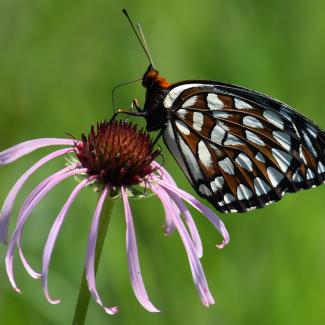
Wings of the East: Exploring Butterfly Life Histories
36 MinutesGuests: Ray Moranz
Continuing with our series on butterflies, we are highlighting the butterflies east of the Rockies, which is a huge area and encompasses so many different environments — prairies in the Great Plains and the Midwest; forests of New England and the Southeast; mountains of the Appalachians; the wetlands and beaches of the Atlantic and the Gulf coasts.
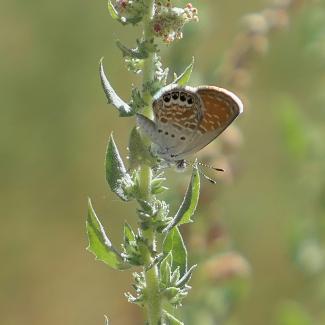
Wings of the West: Exploring Butterflies
38 MinutesGuests: Kevin Burls
We often hear about monarch butterflies, but there are many other species of butterflies in North America. So we are kicking off a series of three podcast episodes to highlight butterflies in different regions of the US and today we are focusing on butterflies west of the Rockies!
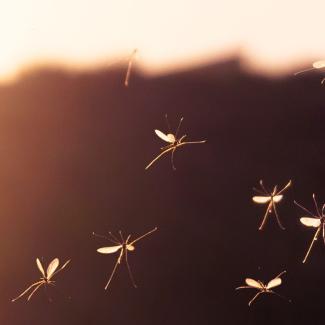
Mosquitoes Matter: Untangling Myths & Mastering Management
36 MinutesGuests: Aaron Anderson
It was Jimmie Durante who first came up with the rhyme, “spring is sprung, the grass is riz; I wonder where them boidies is?” Of course, spring also means the return of insects — bees, butterflies, dragonflies, and yes, mosquitoes — and here at the Xerces Society we start getting questions about what to do about these pesky critters. Does spraying help? Does spraying harm other insects? What are the alternatives and do they work?
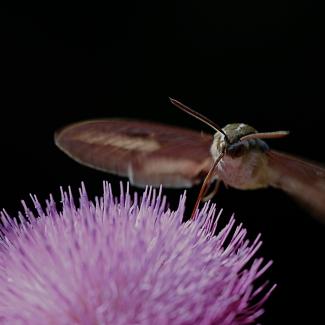
Midnight Entomology: Unveiling the Secrets of Nocturnal Insects
37 MinutesGuests: Emily May
As humans, we often think of the world through the lens of daylight — when we are most active. But at night, an entire world of insects comes to life and we are missing out!
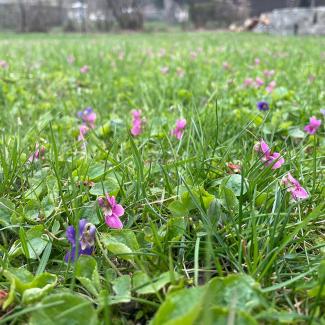
No Mow May: A Starting Point, Not the Finish Line
29 MinutesGuests: Matthew Shepherd
Tired of mowing your law? We have good news — you don’t have to, and the bees (and fritillary butterflies) will thank you for it! Mowing your lawn less frequently can provide habitat for pollinators, especially in early spring. But, is that enough? What can we do to turn No Mow May into meaningful conservation of pollinators and other wildlife?
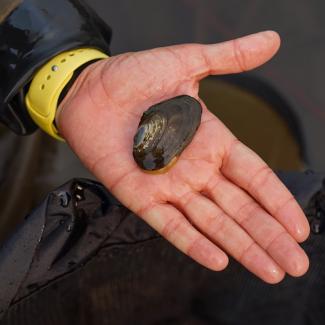
Floater, Sheepnose, and Cat’s Paw: Exploring the Fascinating World of Freshwater Mussels
41 MinutesGuests: Emilie Blevins, Jack Fetters
We are going underwater to highlight an invertebrate that isn’t an insect — the freshwater mussel. These animals may not be well-known but are powerhouses in our freshwater ecosystems, playing a critical role in our lakes and rivers.
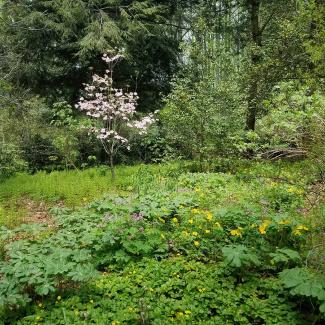
Buzzing Canopies: Forests' Vital Role in Supporting Pollinator Diversity
38 MinutesGuests: Kass Urban-Mead
For many of us, if we were asked to describe a place that is good for bees, we’d likely talk about somewhere that is open, sunny, and full of flowers — a garden, meadow, prairie, or hedgerow, maybe. The chances are that forests wouldn’t be high on that list. However, forests provide important resources for bees.
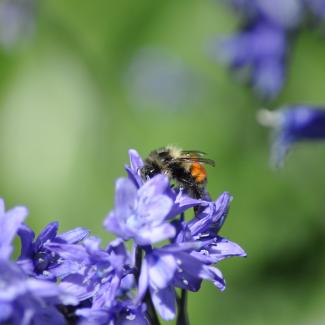
Bumbling Through Nature: Exploring the Fascinating Life History and Community Science of Bumble Bees
45 MinutesGuests: Rich Hatfield
Spend time in a garden and you’ll probably hear the buzzing of a bumble bee. These charismatic bees pollinate many of the foods and flowers that we love and, similar to other bees, their populations are in decline. Fortunately, there is a community science program to help us better understand the abundance and distribution of bumble bees across the US.
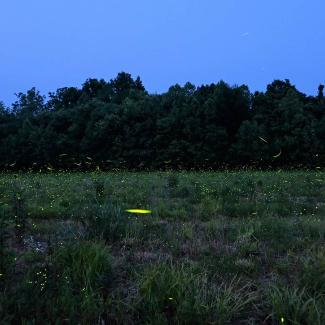
Life in the Dark: How Artificial Light is Impacting Insects
43 MinutesGuests: Dr. Avalon Owens
Light pollution. Go outside at night and you’ll notice it — lights on buildings, in gardens, along streets, glowing on the horizon. It might not seem like much, but this is changing the world for animals that rely on darkness. Imagine evolving for millions of years with only the stars and moon and now being faced with a landscape full of additional light. What happens to insects when the night is full of light? Can fireflies coexist in urban areas? Are there things we can do to reduce our impact?