
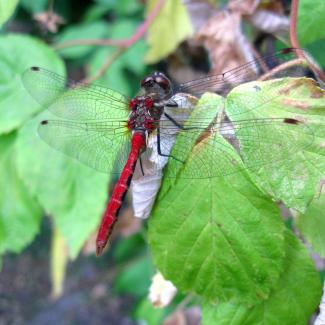
Dragonflies and Damselflies: A Life's Journey from Water to the Sky
46 MinutesGuests: Dr. Jessica Ware
When we see a dragonfly, we normally see adults, which are capable of impressive aerobatics and have astonishing eyesight. Yet these fearsome aerial predators begin life underwater, and when they undergo the transformation from nymph to adult, they also change from water to air. Dragonflies truly are amazing!
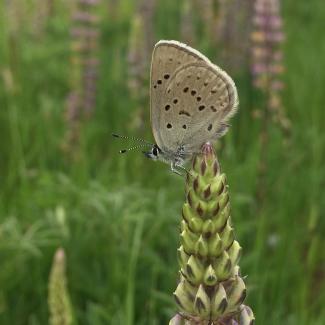
Revival of the Fender's Blue Butterfly: A Conservation Story
46 MinutesGuests: Cheryl Schultz, Mikki Collins
We all love a success story and what better tale to tell than the one about the Fender’s blue? Once thought extinct, this butterfly was rediscovered 35 years ago, since when it has made a comeback thanks to hard work by dedicated scientists, land owners, agency staff, and many others.
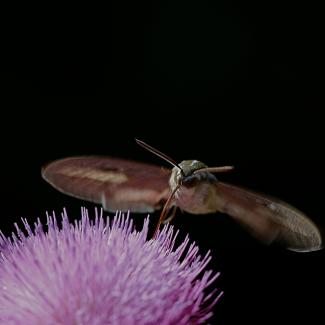
Mysteries of the Moth: More Than Meets the Eye
44 MinutesGuests: Dr. David Wagner
Moths are largely creatures of the night, which means they may not get as much publicity as their day-flying relatives, butterflies. Moths are more diverse than butterflies, probably more abundant, and most certainly play a key role in the natural world. Honestly, moths are some of the coolest insects and we are excited to highlight them in today’s episode.
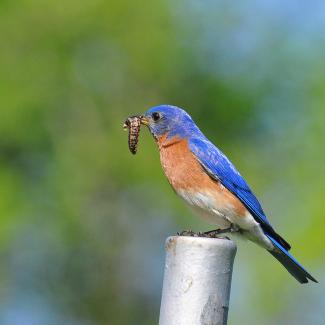
Bugs and Birds: Celebrating World Migratory Bird Day
35 MinutesGuests: Chris Elphick
October 12 is World Migratory Bird Day, a global campaign that aims to raise awareness of migratory birds and the need for international cooperation to conserve them. This year's theme for the campaign is “Protect Insects, Protect Birds,” underscoring the importance of invertebrates to migratory birds. Xerces is also, for the first time, an official partner in World Migratory Bird Day, so we are focusing this episode on the intersection between birds and bugs.
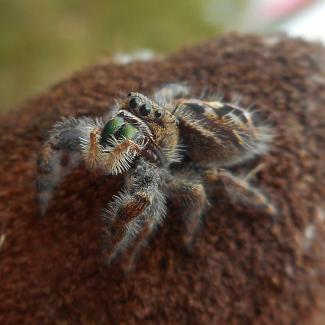
Spider Sense Part 2: Unraveling the Secrets of Arachnids
44 MinutesGuests: Sebastian Echeverri
In part two of this spider special, we dive into Sebastian's research during his PhD. Did you know that jumping spiders can dance? How well can jumping spiders see? Why do so many people fear spiders? And why and how should we help them?
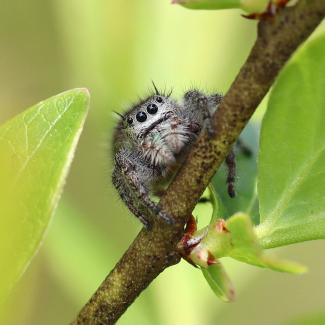
Spider Sense Part 1: Unraveling the Secrets of Arachnids
33 MinutesGuests: Sebastian Echeverri
Spiders. There is a lot that people don't know about these interesting creatures. What makes them unique and what role do they play in our environment?

Bee City and Bee Campus USA: Protecting Pollinators One Community at a Time
36 MinutesGuests: Laura Rost
An important element in the success of pollinator conservation efforts is communities of passionate people taking action. Bee City USA is one Xerces Society program that is helping people to do just that. Established in 2012, Bee City has been uniting communities around a shared goal of creating meaningful change for pollinators through policy change, habitat creation, and education.
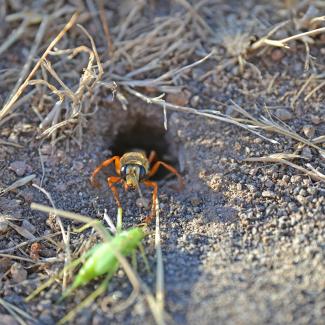
Exploring Wasps: Myths, Facts, and Fascinations
43 MinutesGuests: Jennifer Hopwood, Rae Powers
Wasps. That word alone may make you squirm. They aren’t fluffy and cute like their close relatives, bees, and they don’t have the best reputation, but they do play an important role in our environment. Maybe they just need a PR makeover?
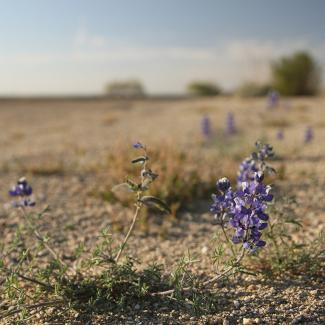
Pollinators in a Changing Climate: Threats and Solutions
34 MinutesGuests: Angela Laws
We’ve all heard about climate change. It’s a rather complicated issue—one that has come up several times in this podcast as we discuss the threats facing invertebrates. So in this episode, we will focus on what we can expect as our climate changes and what that means for our pollinators. And of course, what actions you can take to help these important insects in the face of climate change.
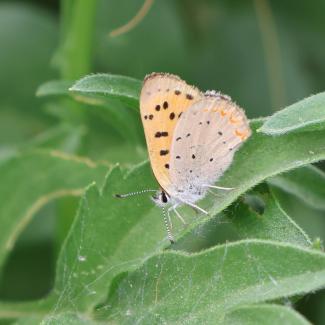
Wings of the Rockies: Exploring Butterfly Life Histories
44 MinutesGuests: Steve Armstead
In this episode of Bug Banter, we are closing out our series on butterflies across the United States by exploring those found in the Rockies. From prairies to mountain tops, the Rockies are made up of a diversity of ecosystems varying in altitude and temperature.