
As a science-based organization, the Xerces Society produces dozens of publications annually, all of which employ the best available research to guide effective conservation efforts. Our publications range from guidelines for land managers, to brochures offering overviews of key concepts related to invertebrate conservation, from books about supporting pollinators in farmland, to region-specific plant lists. We hope that whatever you are seeking—whether it's guidance on making a home or community garden pollinator-friendly, advice on developing a local pesticide reduction strategy, or detailed information on restoring habitat—you will find it here!
Find Publications
Use the search functions to sort by publication type (books, guidelines, fact sheets, etc.), location, and/or subject (agriculture, gardens, pollinators, pesticides, etc.).
Although grapes do not require insect pollination in order to set fruit, vineyards can be excellent locations for establishing pollinator habitat. Permanent and temporary habitat in vineyards can support declining pollinator populations contributing to species recovery in key geographic areas throughout the state. Pollinator habitat plantings also attract other beneficial insects such as natural enemies that prey on crop pests.
Developed by the Xerces Society for Invertebrate Conservation, with support from Oregon Tilth and the USDA’s Natural Resources Conservation Service, Bee Better Certified works with farmers and food companies to make places that are better for bees and other pollinators. This brochure serves as an informative introduction to the program.
Bee Better Certified® is the gold standard of pollinator-focused farm certification programs. Developed by the Xerces Society, the world’s largest science-based pollinator conservation organization, Bee Better Certified builds upon nearly two decades of on-farm habitat research and development.
Agroforestry Note #33, General #7 [Agroforestry Notes, August 2006]
Agroforestry Note #35, General #9 [Agroforestry Notes, June 2017]
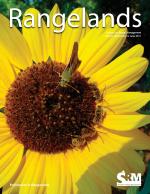
Pollinators in Rangelands
This special issue of Rangelands magazine is focused on pollinators and includes articles about the importance and diversity of pollinators on rangelands, the value of these for rangelands and adjacent farmland, and ways to manage rangelands to support pollinators.
This article from the Fall 2012 issue of Wings Magazine explores the effects of neonicotinoid pesticides in gardens.
Agroforestry Note #34, General #8 [Agroforestry Notes, February 2007]
This fact sheet from the USDA National Agroforestry Center provides an overview of ways to enhance landscapes to support native bees.
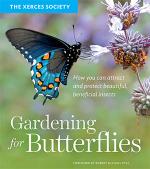
How you can attract and protect beautiful, beneficial insects
Protect and nurture the best-loved of garden guests: butterflies, nature’s kaleidoscopes with wings. The Xerces Society introduces you to a variety of butterflies who need our help, and provides suggestions for native plants to attract them, habitat designs to help them thrive, and garden practices to accommodate all their stages of life.
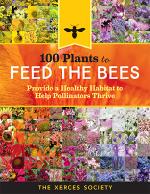
Provide a Healthy Habitat to Help Pollinators Thrive
100 Plants to Feed the Bees offers browsable profiles of 100 common flowers, herbs, shrubs, and trees that attract bees, butterflies, moths, and hummingbirds.


