
As a science-based organization, the Xerces Society produces dozens of publications annually, all of which employ the best available research to guide effective conservation efforts. Our publications range from guidelines for land managers, to brochures offering overviews of key concepts related to invertebrate conservation, from books about supporting pollinators in farmland, to region-specific plant lists. We hope that whatever you are seeking—whether it's guidance on making a home or community garden pollinator-friendly, advice on developing a local pesticide reduction strategy, or detailed information on restoring habitat—you will find it here!
Find Publications
Use the search functions to sort by publication type (books, guidelines, fact sheets, etc.), location, and/or subject (agriculture, gardens, pollinators, pesticides, etc.).
Bringing Communities Together to Sustain Pollinators
Bee Campus USA brings college communities together to sustain pollinators by increasing the abundance of native plants, providing nest sites, and reducing the use of pesticides. Affiliates of Bee Campus USA also work to inspire others to take steps to conserve pollinators through education and outreach. Learn how your college can join Bee Campus USA.
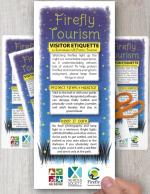
Visitor Etiquette for Sustainable Firefly Tourism
This easy-print Visitor’s Etiquette Guide can be displayed or distributed by site managers and volunteers before events to promote sustainable firefly tourism. Three copies can be printed on a single sheet of letter paper using a small office printer, making it easy to share with participants before and during events.
Also available in Spanish, French, and Simplified Chinese.
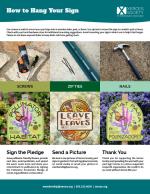
An instructional insert explaining how to hang a Xerces Society yard sign from the gift center using screws, zip ties, or nails.
under the Endangered Species Act and to Concurrently Designate Critical Habitat
The Xerces Society and our conservation partners at the Center for Biological Diversity have submitted a joint petition for the emergency listing of the Bethany Beach firefly (Photuris bethaniensis)—with a request for the concurrent designation of critical habitat—under the federal Endangered Species Act (ESA).
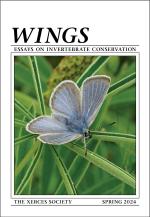
Essays on Invertebrate Conservation
There seems to be a constant flow of bad news about environmental losses and declining wildlife populations. But there are also individuals and organizations working to create positive change, helping to turn the tide and bringing hope for the future.
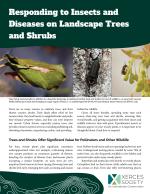
This fact sheet discusses why insecticides and fungicides shouldn’t be your first choice for treating trees and shrubs, outlines a prudent approach to handling possible insect and disease issues, and offers smarter strategies for maintaining healthy trees and shrubs.

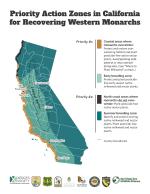
The western monarch population is at a critically low level. Work to improve monarch habitat in California is more important than ever. This fact sheet identifies the most important actions that should be taken in five different regions of California, and provides notes and guidance on selecting the appropriate species of milkweeds and nectar plants.
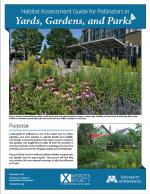
The goal of this tool is to evaluate pollinator habitat at a given urban, suburban, or rural site and identify areas for improvement. This process will also help users prioritize the most essential next steps to take for pollinators at the site.
Rethinking Weed Management at Home
Though insecticides pose the most obvious risk to bees and other pollinators, this factsheet focuses on herbicides because they too can be harmful. Learn about herbicides, their risk to pollinators, their use cases, and alternative solutions to manage weeds and unwanted plants.


