
As a science-based organization, the Xerces Society produces dozens of publications annually, all of which employ the best available research to guide effective conservation efforts. Our publications range from guidelines for land managers, to brochures offering overviews of key concepts related to invertebrate conservation, from books about supporting pollinators in farmland, to region-specific plant lists. We hope that whatever you are seeking—whether it's guidance on making a home or community garden pollinator-friendly, advice on developing a local pesticide reduction strategy, or detailed information on restoring habitat—you will find it here!
Find Publications
Use the search functions to sort by publication type (books, guidelines, fact sheets, etc.), location, and/or subject (agriculture, gardens, pollinators, pesticides, etc.).
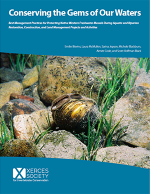
Best Management Practices for Protecting Native Western Freshwater Mussels During Aquatic and Riparian Restoration, Construction, and Land Management Projects and Activities
This publication draws from the expertise of members of the Pacific Northwest Native Freshwater Mussel Workgroup, western restoration practitioners, and aquatic biologists, and provides guidance and resources for a range of topics, from incorporating freshwater mussels into project planning, surveying for mussels, implementing best management practices, and performing salvages and relocations at restoration sites.
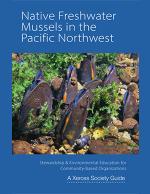
Stewardship and Environmental Education for Community-based Organizations
Conducting research with trained volunteers (citizen scientists) is an increasingly popular and successful model for gathering data while increasing public science education and connecting people with nature where they live and play. Xerces has used this model to develop effective protocols for volunteer-based mussel surveys. Our work has helped address existing gaps in capacity and education, but there are many opportunities to work with new partners in additional watersheds and across cultures. Native Freshwater Mussels in the Pacific Northwest is a guide to help those organizations in their restoration and conservation work.
Essays on Invertebrate Conservation
What happens on farmland affects the health of wildlife, and changing how agricultural lands are managed can have a broad and profound influence on populations of bees, butterflies, and a host of other animals.
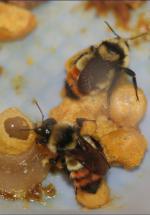
The continued shipment of bumble bee pollinators to areas outside of their native ranges poses a grave threat to the wild populations of closely related bumble bee species. Without better regulation, we are likely to continue to see catastrophic declines, and possibly extinctions, of bumble bee pollinators.
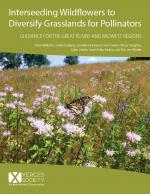
Land managers and land owners can bring wildflowers back to low diversity, established grass stands through a process known as interseeding. This publication provides guidelines and specific strategies for interseeding wildflowers into established grasslands and identifies species of wildflowers most likely to establish and persist in the Midwest and Great Plains.

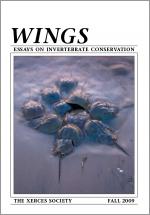
Essays on Invertebrate Conservation
Our Fall 2009 issue of Wings Magazine looks at conservation efforts targeted at other species that also benefit invertebrates in the same ecosystems.
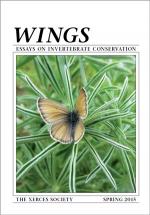
Essays on Invertebrate Conservation
Roads are ubiquitous in the modern landscape. This issue of Wings examines some of the consequences they carry for insects and other invertebrates.
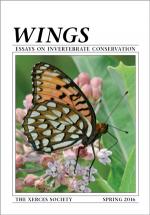
Essays on Invertebrate Conservation
The Xerces Society began as a butterfly conservation group, and, although the organization's work has expanded greatly, Lepidoptera remain at the heart of our efforts. This issue of Wings looks at our past, current, and future work on conserving butterflies.
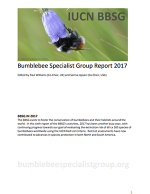
Reports of the IUCN Bumblebee Specialist Group are available at their website: bumblebeespecialistgroup.org


