
As a science-based organization, the Xerces Society produces dozens of publications annually, all of which employ the best available research to guide effective conservation efforts. Our publications range from guidelines for land managers, to brochures offering overviews of key concepts related to invertebrate conservation, from books about supporting pollinators in farmland, to region-specific plant lists. We hope that whatever you are seeking—whether it's guidance on making a home or community garden pollinator-friendly, advice on developing a local pesticide reduction strategy, or detailed information on restoring habitat—you will find it here!
Find Publications
Use the search functions to sort by publication type (books, guidelines, fact sheets, etc.), location, and/or subject (agriculture, gardens, pollinators, pesticides, etc.).

Recommendations from the Xerces Society for Invertebrate Conservation
State and Tribal pollinator protection plans are increasingly looked to as a road map to reducing honey bee (Apis mellifera) losses and restoring native pollinator populations. While every state and tribe will focus on its own specific concerns, there are some overarching issues that should be considered as they develop their plans.
Guidelines for Creating and Managing Habitat for America’s Declining Pollinators
Conserving Bumble Bees includes sections on the important role these animals play in both agricultural and wild plant pollination, details the threats they face, and provides information on creating, restoring, and managing high quality habitat.
Recommendations for Land Managers
By Richard Hatfield, Sarina Jepsen, Mace Vaughan, Scott Black, and Eric Lee-Mäder.
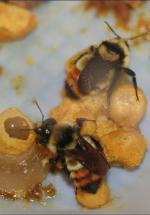
On behalf of the Xerces Society, the Natural Resources Defense Council (NRDC), and Defenders of Wildlife, we write to request an update on the status of our January 12, 2010 Petition for Rulemaking, in which we asked the Secretary and Administrator to regulate the movement of commercial bumble bees in order to help control the spread of parasites and pathogens of bumble bees.
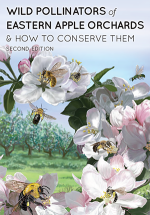
Second Edition
This 18-page, full-color guide helps readers identify wild pollinators, provide them with food and habitat, and avoid pesticides that are toxic to them. By encouraging wild bee abundance and diversity, agricultural growers may be able to buffer rising honey bee rental costs while creating an environment that better supports both wild and commercial bees.
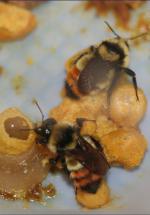
with scientific literature about commercial bumble bees and bee pathogens (August 26, 2014)
Pathogens from managed pollinators are thought to have played a significant role in that decline. Thus, as we explained in our January 2010 petition, regulation of commercial bumble bees is a highly time-sensitive issue... we are writing to provide you with a short synthesis and reference list of some key and recent studies regarding commercial bumble bees and bumble bee pathogens. It is our hope that this science will inform and help activate your efforts to protect native bumble bees.


