
As a science-based organization, the Xerces Society produces dozens of publications annually, all of which employ the best available research to guide effective conservation efforts. Our publications range from guidelines for land managers, to brochures offering overviews of key concepts related to invertebrate conservation, from books about supporting pollinators in farmland, to region-specific plant lists. We hope that whatever you are seeking—whether it's guidance on making a home or community garden pollinator-friendly, advice on developing a local pesticide reduction strategy, or detailed information on restoring habitat—you will find it here!
Find Publications
Use the search functions to sort by publication type (books, guidelines, fact sheets, etc.), location, and/or subject (agriculture, gardens, pollinators, pesticides, etc.).
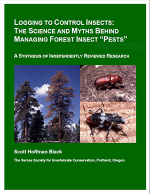
The Science and Myths Behind Managing Forest Insect “Pests”'
This 88-page report demonstrates that industrial logging is not the solution to combating outbreaks of bark beetles or defoliators, such as tussock moth or spruce budworm. This includes a review of relevant studies on the importance of insects to forest function and the effectiveness of methods used to control forest “pest” insects, and a compilation of summaries of over 150 scientific papers and Forest Service documents.
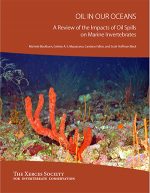
A Review of the Impacts of Oil Spills on Marine Invertebrates
Exploring the impacts of oil spills on invertebrates of all types, from corals and zooplankton to crabs and oysters, the report clearly establishes that an oil spill has immediate impacts on invertebrates, and continues affecting wildlife for years, even decades, after the cleanup crews have left. The report reviews the significance of invertebrates to the marine ecosystem and commercial fisheries, identifies the impacts of oil spills, and makes recommendations on how to reduce these impacts. It includes a section on the Deepwater Horizon and a series of profiles of species of particular concern in the Gulf of Mexico.
As concerned scientists, we are writing to ask you to postpone the renewal of permits for growing all Bt crops until you have developed a rigorous program for assessing their ecological risks and until you can ensure that strong, effective resistance management plans are in place.
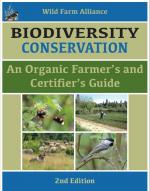
The guide provides farmers with core biodiversity principles for agriculture, outlines practices for growers to maintain biodiversity on farms, provides tools to evaluate the progress of biodiversity conservation efforts and outlines strategies for planning, prioritizing and monitoring biodiversity conservation efforts.
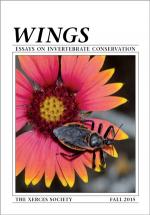
Essays on Invertebrate Conservation
Our Fall 2015 issue of Wings Magazine is devoted to the subject of pesticides, their impact on invertebrates, and consideration of alternative in controlling insect "pests".
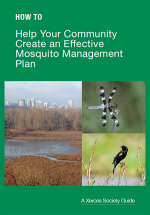
A Xerces Society Guide
This guide will help you learn more about mosquitoes and the diverse wetland communities in which they play an important part, and give you the resources and information you need to work for the adoption of safe, effective methods of mosquito management in the places where you live and play.
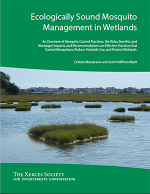
An overview of mosquito control practices, the risks, benefits, and non-target impacts, and recommendations on effective practices that control mosquitoes, reduce pesticide use, and conserve wetlands.
This report reviews current mosquito control practices in the United States, describes risks and benefits associated with different types of mosquito control—including direct and indirect impacts of chemical and biological controls on nontarget organisms—and provides recommendations on how to develop effective practices to manage mosquito populations while reducing pesticide use and conserving wetlands.

Examining the impacts of pesticides on pollinators
The IPI database contains summaries of research articles on pesticides, their effects on invertebrates, and pesticide movement in the environment. Articles have been reviewed and summarized to highlight key findings by Xerces Society staff.
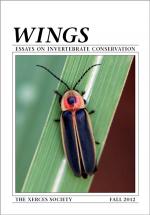
Essays on Invertebrate Conservation
Our Fall 2012 issue of Wings Magazine looks back at the impact of Rachel Carson's Silent Spring and includes articles on fireflies, dragonflies and damselflies, neonicotinoids, and more.
(Council on Environmental Quality 2014) V.2


