
As a science-based organization, the Xerces Society produces dozens of publications annually, all of which employ the best available research to guide effective conservation efforts. Our publications range from guidelines for land managers, to brochures offering overviews of key concepts related to invertebrate conservation, from books about supporting pollinators in farmland, to region-specific plant lists. We hope that whatever you are seeking—whether it's guidance on making a home or community garden pollinator-friendly, advice on developing a local pesticide reduction strategy, or detailed information on restoring habitat—you will find it here!
Find Publications
Use the search functions to sort by publication type (books, guidelines, fact sheets, etc.), location, and/or subject (agriculture, gardens, pollinators, pesticides, etc.).
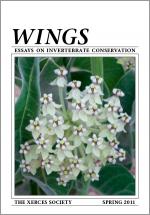
Essays on Invertebrate Conservation
The Spring 2011 issue of Wings Magazine includes articles on the rediscovery of an endangered land crab species, the importance of milkweed species in the landscape, and migratory dragonflies.

Literature review summarizing the effects of forest land management practices on snails and slugs
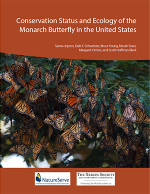
This report aims to inform government agencies charged with biodiversity protection, as well as conservation organizations and the public in general about the threats to and current conservation status of this much-loved, iconic insect.
Developing an Invertebrate-Based Monitoring Tool to Assess the Biological Integrity of Pacific Northwest Freshwater Wetlands
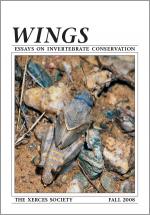
Our Fall 2008 issue of Wings Magazine includes articles on grasshoppers, freshwater mussels, pollinator conservation, and more.
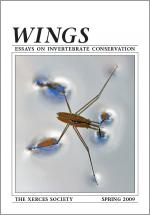
Essays on Invertebrate Conservation
The Spring 2009 issue of Wings Magazine includes articles on ephemeral water holes, photographing butterflies, deep-sea corals, and more.
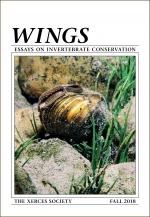
Essays on Invertebrate Conservation
There are many threats to the invertebrates with which we share this planet. Habitat loss, disease, and pesticide use are immediate risks, but overlaying everything is climate change, the consequences of which may unravel the fabric of our environment.
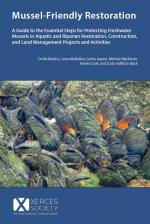
A Guide to the Essential Steps for Protecting Freshwater Mussels in Aquatic and Riparian Restoration, Construction, and Land Management Projects and Activities


