
As a science-based organization, the Xerces Society produces dozens of publications annually, all of which employ the best available research to guide effective conservation efforts. Our publications range from guidelines for land managers, to brochures offering overviews of key concepts related to invertebrate conservation, from books about supporting pollinators in farmland, to region-specific plant lists. We hope that whatever you are seeking—whether it's guidance on making a home or community garden pollinator-friendly, advice on developing a local pesticide reduction strategy, or detailed information on restoring habitat—you will find it here!
Find Publications
Use the search functions to sort by publication type (books, guidelines, fact sheets, etc.), location, and/or subject (agriculture, gardens, pollinators, pesticides, etc.).
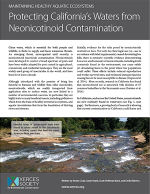
Maintaining Healthy Aquatic Ecosystems
California’s waters are at risk from current uses of neonicotinoid insecticides. This fact sheet summarizes Xerces’ findings from our report, Neonicotinoids in California’s Surface Waters. It examines the risks to rivers and streams, as well as other ecosystems, and recommends that regulators take action now to address the issue in the state.
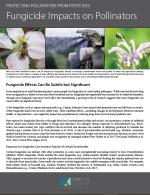
This fact sheet delves into how these impacts on pollinators occur, and offers mitigation measures and alternative pest management strategies.
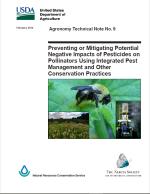
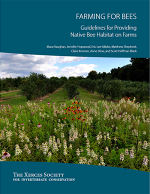
Guidelines for Providing Native Bee Habitat on Farms
Farming for Bees outlines ways to protect and enhance habitat for native crop pollinators in the farm landscape. Containing a wealth of information about common groups of native bees, their habitat requirements, and conservation strategies to increase their numbers on farms.
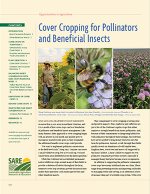
This 16-page bulletin will help you use cover crops to encourage populations of pollinators and beneficial insects on your farm while you address your other resource concerns. It begins with a broad overview of pollinator and beneficial insect ecology, then describes cover crop selection and management, how to make cover crops work on your farm, and helpful and proven crop rotations. It will also touch on the limitations of cover crops and pesticide harm reduction, among other topics.
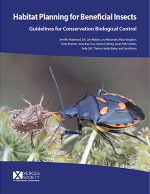
Guidelines for Conservation Biological Control
This publication outlines the ecology of many native beneficial insect groups and highlights recommended strategies for conservation biological control. While native predator and parasitoid insects alone may not solve all of a producer’s pest problems, they can be an important part of an Integrated Pest Management system and contribute to reduced need for pesticides over time.
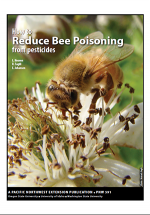
Deciding which pesticide product to use can be a complex process. This detailed guide, produced jointly by the extension services of Oregon State University, Washington State University, and the University of Idaho, offers detailed guidance on how to select and apply insecticides. Extensive tables list the toxicity to bees of dozens of chemicals and how long after application they remain hazardous to bees in the field.
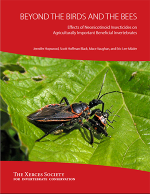
Effects of Neonicotinoid Insecticides on Agriculturally Important Beneficial Insects
This report details potential negative impacts of neonicotinoid insecticides on important beneficial insects. It also makes recommendations on how we can better protect important beneficials like beetles and wasps. Beyond the Birds and the Bees moves the spotlight from the risks neonicotinoids pose to bees to the impacts of neonicotinoids to invertebrates such as earthworms or lady beetles.
In these recommendations, the Xerces Society seeks to share information about native pollinators and their needs in order for state plans to address the diverse concerns that managed and native pollinators face. Specific regional information to support plan development is available through the Xerces Society website and other resources.
A Preliminary Review of Potential Risk to Aquatic Invertebrates
This report demonstrates how the health of California’s rivers and streams are at risk from contamination from pesticide use. This report summarizes the state’s water quality monitoring data, provides an in-depth look at the latest research into the risks neonicotinoids pose to aquatic invertebrates, and includes recommendations for action.


