
As a science-based organization, the Xerces Society produces dozens of publications annually, all of which employ the best available research to guide effective conservation efforts. Our publications range from guidelines for land managers, to brochures offering overviews of key concepts related to invertebrate conservation, from books about supporting pollinators in farmland, to region-specific plant lists. We hope that whatever you are seeking—whether it's guidance on making a home or community garden pollinator-friendly, advice on developing a local pesticide reduction strategy, or detailed information on restoring habitat—you will find it here!
Find Publications
Use the search functions to sort by publication type (books, guidelines, fact sheets, etc.), location, and/or subject (agriculture, gardens, pollinators, pesticides, etc.).
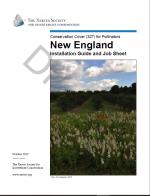
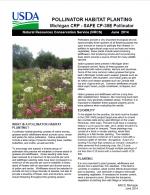
Habitat Installation Guide
This Michigan USDA-NRCS document outlines the technical specifications required to establish pollinator habitat through the Conservation Reserve State Acres for Wildlife Enhancement (CRP-SAFE) Program. Included in the document is information about site preparation, planting, and long-term land management recommendations.
Protecting Pollinators from Pesticides
This fact sheet provides a brief overview of time-tested and effective ways to protect people from disease-carrying mosquitoes while also protecting pollinators.
(April 9, 2014)
The Xerces Society for Invertebrate Conservation (Xerces) and the Center for Food Safety (CFS) hereby submit these comments regarding the U.S. Fish and Wildlife Service (FWS)’s draft Environmental Assessment (EA) for Mosquito Control at Bandon Marsh National Wildlife Refuge.
These forms are meant to be used in conjunction with the Organic Site PReparation for Wildflower Establishment guide. These fillable PDF forms include regional examples for each site preparation technique mentioned in the guide.
Organic seed producers may be particularly interested in the role of pollinators, especially when confronted by the risk of genetic contamination of their crops (such as by the accidental movement of genetically modified crop pollen). Understanding the role and diversity of seed crop pollinators, and strategies for reducing pollen movement between organic and conventional farms, can help ensure the survival of a robust organic seed industry.
The western monarch population is now less than 1% of its size in the 1980s, and urgent action is needed to stabilize their numbers. Here's how farmers can help.
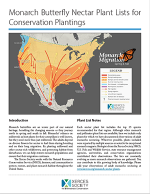
Monarch Butterfly Nectar Plant Lists for Conservation Plantings is a helpful tool for ecological restoration, providing lists of plants known to support monarch adults and caterpillars.
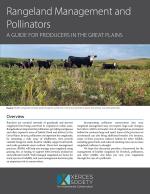
A Guide for Producers in the Great Plains
Rangelands are important for pollinators, providing contiguous and often expansive areas of habitat (food and shelter) in the Great Plains. These best management practices (BMPs) will help you manage your rangeland using grazing, fire, or haying, to support both livestock production and pollinator health.
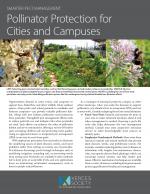
Opportunities abound in cities, towns, and campuses to support bees, butterflies, and other wildlife. Many outdoor spaces—from parks and school grounds to roadsides and business campuses—can provide valuable pollinator habitat. Along with new habitat, pollinators need protection from pesticides. Thoughtful pest management efforts work to reduce pesticide use and mitigate risks when pesticides are used. Such efforts can enhance the value of pollinator habitat and serve communities, offering a variety of benefits such as keeping children safe and protecting water quality.


